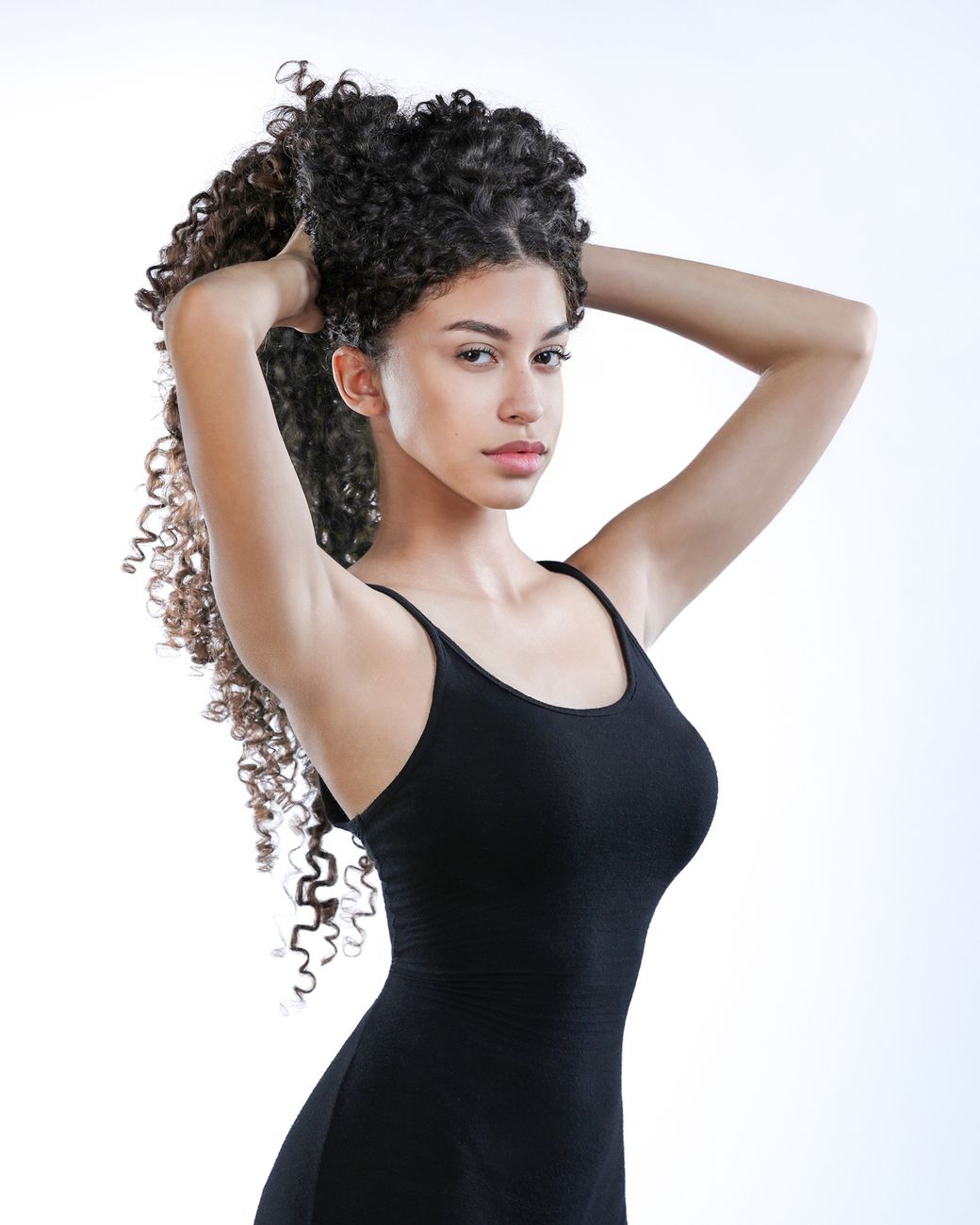
Curls and waves are naturally beautiful because of their unique shape and elasticity, but they can also be more vulnerable to heat damage than straight hair. Frequent use of flat irons, curling wands, blow dryers, or hot brushes without proper protection can weaken the hair’s structure, leaving curls stretched out, limp, or uneven. Many people wonder if heat-damaged curls can return to their original pattern. The answer depends on the severity of the damage. At OP Hair Salon in Overland Park, KS, we help clients evaluate heat damage and create customized recovery plans that restore as much health and definition as possible while protecting future growth.
What Happens When Heat Damages Curly Hair?
Hair is made primarily of keratin proteins that give each strand its strength and flexibility. Excessive heat can damage the protective cuticle and alter the internal structure of the hair fiber.
When temperatures are too high or heat styling is repeated frequently, the hair may lose moisture, elasticity, and its ability to maintain its natural curl pattern.
Common causes include:
- Flat irons used at excessive temperatures
- Daily blow-drying without heat protection
- Curling irons used repeatedly on the same sections
- Hot brushes and thermal styling tools
- Heat styling on damp hair
- Multiple heat styling sessions between washes
Signs of Heat Damage
Heat damage can appear gradually or suddenly after intense styling.
Common signs include:
- Curls that no longer spring back
- Straight or limp sections among curly hair
- Increased frizz
- Dry, rough texture
- Split ends
- Excessive breakage
- Dull appearance
- Hair that tangles more easily
If only certain sections have lost their curl, those areas may have experienced greater heat exposure than the rest of the hair.
Can Heat-Damaged Curls Be Fully Repaired?
This is one of the most common questions curly-haired clients ask.
The answer is not always.
If the hair’s internal structure has been permanently altered by excessive heat, the damaged portion cannot be completely restored to its original state. However, many cases of mild to moderate heat damage can show noticeable improvement with proper care, and healthy new hair will grow with its natural texture.
Professional treatments and consistent home care can improve softness, strength, elasticity, and the overall appearance of damaged curls, even if they cannot reverse severe structural changes.
Stop the Source of Damage
The first step toward recovery is reducing additional heat exposure.
Consider:
- Taking a break from flat irons
- Air-drying when possible
- Using a diffuser on low or medium heat
- Lowering styling tool temperatures
- Limiting heat styling to special occasions
Giving your hair time to recover helps prevent further weakening.
Deep Conditioning Restores Moisture
Heat-damaged curls often become dehydrated.
Regular deep-conditioning treatments help:
- Improve softness
- Increase flexibility
- Reduce frizz
- Enhance shine
- Support healthier curl formation
Hydration won’t permanently repair damaged strands, but it can greatly improve manageability.
Bond-Building Treatments Strengthen Hair
Professional bond-building treatments can reinforce weakened areas within the hair fiber.
Benefits may include:
- Reduced breakage
- Improved elasticity
- Stronger strands
- Better resilience during styling
- Healthier overall appearance
These treatments work best as part of an ongoing recovery plan rather than as a one-time solution.
Protein Treatments Can Help—When Needed
Heat damage often weakens the hair’s protein structure.
Professional protein treatments may temporarily strengthen fragile strands and improve resilience.
However, balance is important. Too much protein can leave curls feeling stiff or brittle, so your stylist should recommend a treatment schedule based on your hair’s condition.
Trim Away Severely Damaged Ends
Split ends and severely heat-damaged sections cannot be repaired permanently.
Routine trims help:
- Prevent further splitting
- Improve curl shape
- Reduce tangling
- Make styling easier
- Encourage healthier-looking hair
You don’t always need a dramatic haircut, but gradually removing damaged ends often leads to better long-term results.
Handle Hair Gently
Fragile curls require extra care.
Healthy habits include:
- Detangling with conditioner
- Using a wide-tooth comb or fingers
- Drying with a microfiber towel or cotton T-shirt
- Sleeping on a satin or silk pillowcase
- Avoiding tight hairstyles that create tension
Reducing mechanical stress helps preserve the hair you have while new growth emerges.
Protect Against Future Heat Damage
If you return to heat styling after recovery, prevention becomes essential.
Always:
- Apply a heat protectant.
- Use the lowest effective temperature.
- Avoid repeated passes over the same section.
- Allow hair to dry appropriately before using thermal tools.
- Clean styling tools regularly for even heat distribution.
Healthy styling habits reduce the likelihood of recurring damage.
Patience Is Part of the Recovery Process
Hair grows gradually—typically about half an inch (1.25 cm) per month.
If some curls have been permanently altered, restoring your full natural pattern may require time as healthy new hair replaces damaged sections. During this period, strategic haircuts, conditioning treatments, and curl-friendly styling techniques can help blend textures and improve the overall appearance.
Professional Assessment Makes a Difference
At OP Hair Salon, our stylists evaluate:
- Curl pattern
- Hair elasticity
- Porosity
- Severity of heat damage
- Chemical service history
- Current home-care routine
Based on this assessment, we develop personalized treatment plans that may include deep conditioning, bond-building therapies, strengthening treatments, precision trims, and product recommendations tailored to your hair’s recovery.
Final Thoughts
Heat-damaged curls can often become healthier, softer, and more manageable with consistent professional care and thoughtful at-home maintenance. While severely damaged strands cannot always regain their original curl pattern, many clients see significant improvements in elasticity, definition, and shine by focusing on hydration, strengthening treatments, and gentle styling practices.
At OP Hair Salon in Overland Park, KS, we’re committed to helping every client protect and restore the beauty of their natural texture. Whether you’re recovering from years of heat styling or simply looking to prevent future damage, our experienced stylists can guide you toward stronger, healthier curls that look and feel their very best.
Leave a Reply