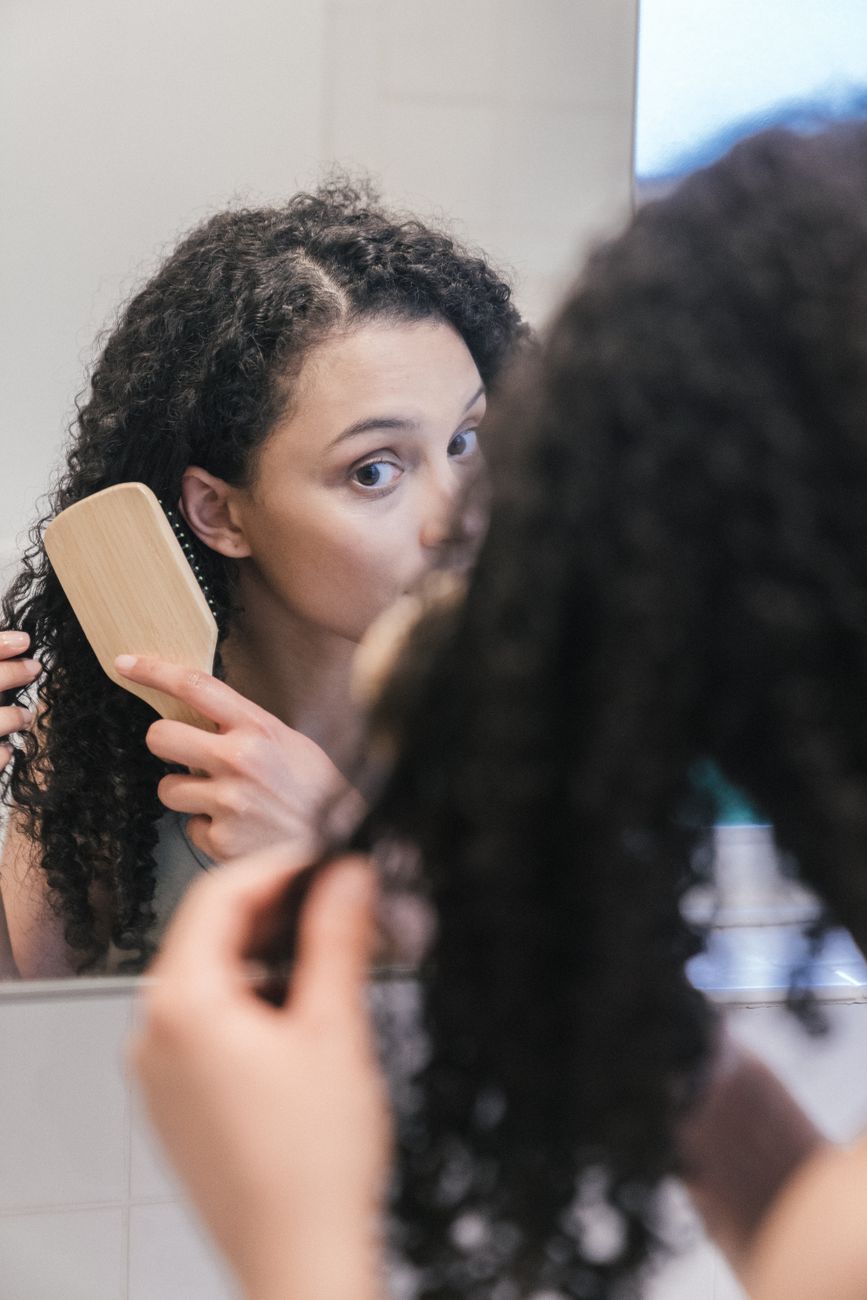
Deeply textured hair—whether naturally curly, coily, tightly coiled, or enhanced with professional texturizing services—offers incredible volume, personality, and versatility. However, its unique structure also makes it more vulnerable to dryness and split ends. Because natural oils travel less easily along bends and coils, the ends of textured hair often receive the least moisture and experience the most wear. At OP Hair Salon in Overland Park, KS, we help clients maintain healthy textured hair with personalized trims, nourishing treatments, and practical home-care routines that minimize breakage while preserving beautiful length.
Why Split Ends Are Common in Textured Hair
Every bend and curl creates a natural point of stress along the hair strand. Over time, daily styling, environmental exposure, and friction can weaken the protective outer cuticle, allowing the hair tip to fray or split.
Contributing factors include:
- Natural dryness
- Heat styling
- Chemical texture services
- Hair coloring or lightening
- Friction from clothing or bedding
- Rough detangling
- Infrequent trims
- Excessive brushing
While split ends are common, they cannot be permanently repaired. Once a strand splits, trimming away the damaged portion is the only reliable way to prevent the split from traveling farther up the hair shaft.
Recognizing Split Ends Early
Catching split ends before they worsen helps preserve overall hair health.
Common signs include:
- Frayed or feathered hair tips
- Small white dots near the ends
- Hair that tangles easily
- Rough texture
- Increased breakage
- Curls that appear less defined
- Ends that look thin or uneven
Regular self-checks and salon visits make it easier to identify early damage.
Why Trimming Is Essential
Many people worry that trimming will slow hair growth, but trims do not affect how quickly hair grows from the scalp. Instead, they remove weakened ends before they split higher up the strand.
Routine trims help:
- Maintain curl definition
- Reduce tangles
- Prevent further splitting
- Improve styling
- Keep hair looking fuller
- Support length retention by reducing breakage
For many clients with textured hair, trims every 8–12 weeks are a good starting point, though the ideal schedule depends on hair condition, styling habits, and individual goals.
Moisture Helps Protect Hair Ends
Dry ends are more likely to split.
A moisture-focused routine often includes:
- Sulfate-free shampoo
- Rich conditioner
- Weekly deep conditioning treatment
- Leave-in conditioner
- Lightweight sealing oil or serum on the ends
Hydrated hair is generally more flexible and less likely to snap during everyday styling.
Detangle Gently
Improper detangling is a common cause of split ends in textured hair.
For safer detangling:
- Work on damp, conditioned hair.
- Divide hair into sections.
- Use a wide-tooth comb or fingers first.
- Start at the ends and gradually move upward.
- Never force through stubborn knots.
Taking a few extra minutes during detangling can significantly reduce breakage.
Limit Excessive Heat
Flat irons, curling irons, and high-temperature blow dryers can weaken the hair cuticle over time.
If heat styling is part of your routine:
- Always apply a heat protectant.
- Use the lowest effective temperature.
- Avoid daily heat styling.
- Deep condition regularly to replenish moisture.
Occasional heat styling is generally less damaging than frequent exposure to high temperatures.
Sleep Smarter
Hair experiences hours of friction while you sleep.
To help protect textured hair:
- Sleep on a satin or silk pillowcase.
- Wear a satin bonnet or scarf.
- Loosely braid or twist long hair before bed.
- Avoid tight elastic bands overnight.
Reducing friction helps minimize split ends and preserve curl definition.
Be Gentle with Protective Styles
Protective hairstyles can help reduce daily manipulation, but they should never place excessive tension on the hair.
Healthy protective styling includes:
- Loose braids
- Twists
- Buns
- Low-tension updos
Avoid styles that pull tightly at the roots or leave the ends exposed for long periods without moisture.
Professional Treatments Can Support Hair Health
Salon treatments cannot permanently repair split ends, but they can improve the overall condition of the hair, making it feel smoother and more manageable.
Professional services may include:
- Deep conditioning treatments
- Moisture-replenishing masks
- Bond-building treatments
- Scalp hydration therapies
- Customized strengthening treatments
Your stylist can recommend treatments based on your hair’s porosity, texture, and level of damage.
Nutrition Supports Healthy Hair
Healthy hair begins from within.
A balanced diet that includes:
- Protein
- Iron
- Zinc
- Omega-3 fatty acids
- Vitamins A, C, D, and E
- Biotin (when appropriate)
supports normal hair growth and overall hair health. Staying well hydrated also contributes to healthy-looking strands.
Avoid “Quick Fix” Split End Products
Many products claim to “repair” split ends permanently. In reality, these products may temporarily smooth or seal the appearance of frayed tips, making hair look shinier and easier to manage, but they do not fuse split fibers back together.
Regular trims remain the most effective long-term solution for removing damaged ends.
Create a Preventive Routine
Consistency is key to minimizing split ends.
A healthy maintenance plan may include:
- Regular salon trims
- Weekly deep conditioning
- Gentle detangling
- Heat protection
- Satin sleep accessories
- Moisturizing products suited to your texture
- Periodic professional hair assessments
Small habits practiced consistently often make the biggest difference over time.
Healthy Ends, Beautiful Texture
Deeply textured hair deserves specialized care that protects every curl, coil, and wave. By combining regular trims, moisture-rich treatments, careful styling, and gentle handling, you can minimize split ends while preserving both the beauty and integrity of your natural texture.
At OP Hair Salon in Overland Park, KS, we believe healthy hair is the foundation of every great style. Whether you’re maintaining natural curls, growing out chemically treated hair, or enhancing your texture with professional services, our experienced stylists are here to help you achieve stronger, healthier, and more vibrant hair every step of the way.
Leave a Reply