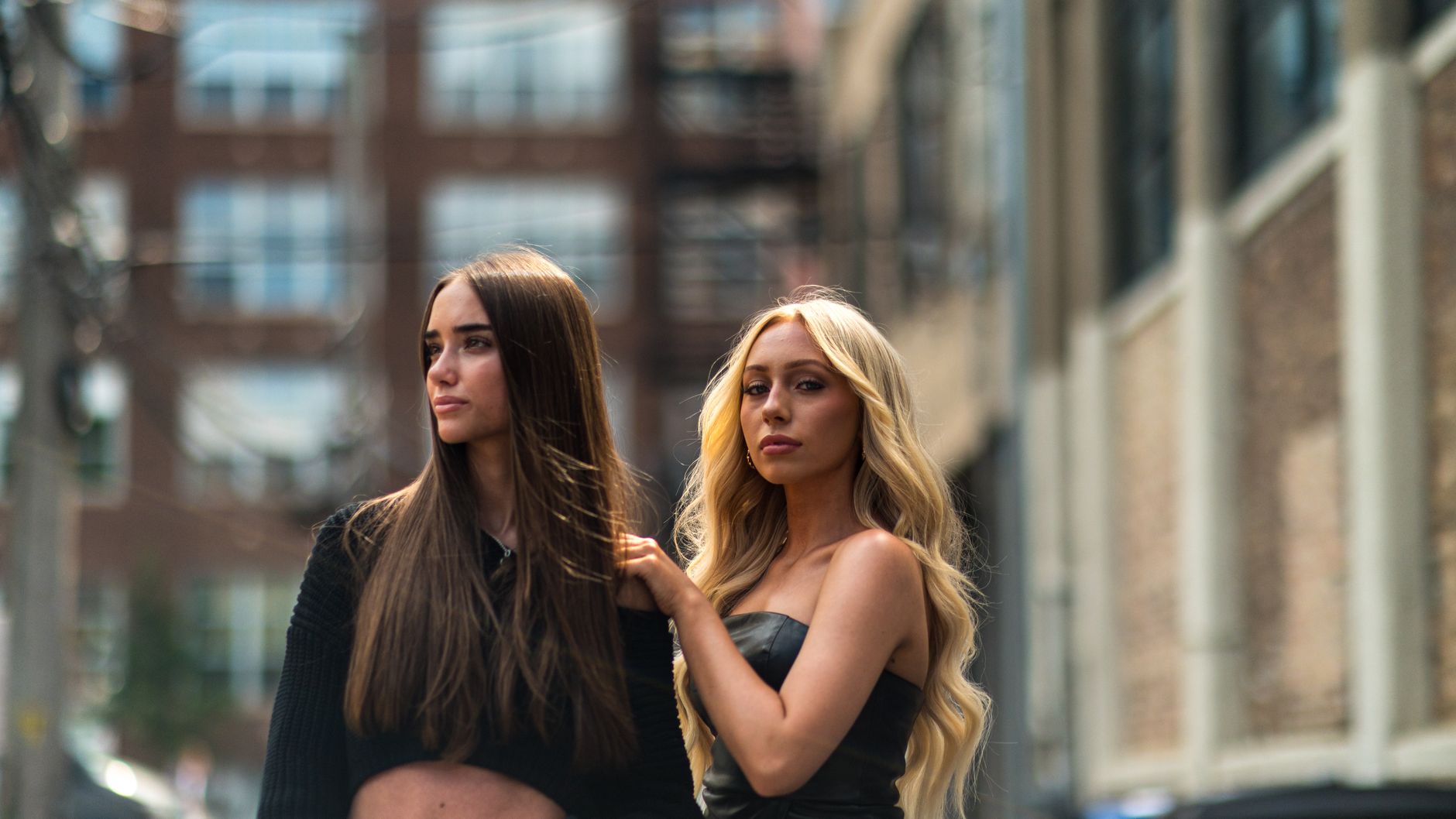
Achieving beautiful blonde hair often requires lightening services, but repeated bleaching, excessive heat styling, or chemical processing can leave hair feeling dry, fragile, and prone to breakage. If your blonde has become over-processed, don’t assume it’s beyond repair. With a personalized recovery plan, professional treatments, and consistent home care, it’s often possible to improve the appearance, strength, and manageability of damaged hair over time. At OP Hair Salon in Overland Park, KS, our experienced color specialists focus on restoring hair health while helping you safely maintain or transition your blonde.
What Is Over-Processed Blonde Hair?
Over-processed blonde hair has undergone enough chemical or thermal stress that its condition has noticeably declined. The hair may lose moisture, elasticity, and strength, making it more vulnerable to breakage and split ends.
Common signs include:
- Dry, rough texture
- Increased breakage
- Split ends
- Reduced elasticity
- Tangling
- Excessive frizz
- Lack of shine
- Difficulty holding styles
These changes don’t always mean your hair is permanently damaged, but they do signal that it’s time to prioritize recovery.
What Happens During the Lightening Process?
Hair lightening works by breaking down the natural pigment inside the hair shaft. This process also changes the hair’s internal structure, which is why proper application, conditioning, and aftercare are so important.
When hair is lightened repeatedly without adequate recovery time or supportive care, it may become:
- More porous
- Less flexible
- More prone to moisture loss
- More susceptible to mechanical damage
Professional blonding services aim to balance beautiful color with long-term hair health.
Common Causes of Over-Processing
Several factors can contribute to over-processed blonde hair.
These include:
- Frequent bleaching sessions
- Overlapping lightener onto previously lightened hair
- Excessive heat styling
- Infrequent trims
- Inadequate conditioning
- Using harsh hair care products
- Multiple chemical services in a short period
A thorough consultation helps identify the factors affecting your hair.
Why Bond-Supporting Treatments Matter
Hair contains structural bonds that contribute to its strength and resilience. Lightening services affect these internal bonds, which is why many salons incorporate bond-supporting treatments during or after chemical services.
Depending on your hair’s needs, your stylist may recommend treatments designed to:
- Support hair during lightening
- Improve softness
- Increase manageability
- Reduce the appearance of dryness
- Complement professional conditioning services
These treatments are most effective when combined with realistic color goals and proper home care.
Deep Conditioning Is Essential
Moisture plays a key role in helping over-processed hair feel softer and look healthier.
Professional conditioning treatments can help:
- Improve hydration
- Smooth the cuticle
- Increase shine
- Reduce frizz
- Improve manageability
At home, regular moisturizing masks and conditioners can help maintain these benefits between salon visits.
Should You Pause Blonding Services?
In some situations, your stylist may recommend postponing additional lightening to give your hair time to recover.
This approach may include:
- Gloss treatments
- Toners
- Root blending
- Lowlights
- Conditioning services
- Regular trims
Taking a gradual approach can help preserve the condition of your hair while still maintaining a polished look.
Trim Away the Damage
While conditioning treatments can improve the appearance and feel of damaged hair, split ends cannot be permanently repaired.
Routine trims help:
- Remove damaged ends
- Reduce further splitting
- Improve overall appearance
- Support healthier-looking growth
- Make styling easier
Keeping up with trims is an important part of any recovery plan.
Build a Gentle Home Care Routine
Healthy-looking blonde hair depends on consistent care between salon appointments.
A recovery-focused routine often includes:
- Sulfate-free, color-safe shampoo
- Moisturizing conditioner
- Weekly deep-conditioning mask
- Heat protectant before styling
- Wide-tooth comb for detangling
- Lower heat settings on styling tools
- Gentle microfiber towel or soft cotton T-shirt for drying
Small daily habits can make a meaningful difference over time.
Protect Hair from Heat
Over-processed hair is often more sensitive to heat styling.
To reduce additional stress:
- Use the lowest effective heat setting.
- Apply a heat protectant before blow-drying or styling.
- Limit unnecessary heat exposure when possible.
- Allow hair to air-dry partially before using hot tools.
Reducing heat-related stress helps support healthier-looking hair.
Nutrition and Healthy Hair
Healthy hair growth is supported by overall wellness. Eating a balanced diet that includes adequate protein, vitamins, and minerals supports new hair growth, although it won’t repair hair that has already been damaged.
If you have concerns about hair loss or nutritional deficiencies, consult a qualified healthcare professional.
Common Myths About Damaged Blonde Hair
Myth: Damaged Hair Can Be Completely Repaired Overnight
Reality: While professional treatments and high-quality home care can significantly improve your hair’s appearance and manageability, recovery takes time. Damaged hair often benefits from consistent maintenance and gradual improvement rather than instant repair.
Myth: More Protein Is Always Better
Reality: Hair care should be balanced. Some people benefit from protein-focused products, while others may need more moisture. Your stylist can recommend products based on your hair’s condition.
Myth: Cutting Your Hair Stops Damage Entirely
Reality: Trimming removes damaged ends, but protecting the remaining hair with proper care and minimizing further stress is equally important.
A Personalized Recovery Plan
Every blonde recovery journey is different. At OP Hair Salon, your stylist creates a plan based on:
- Your hair history
- Current hair condition
- Blonding goals
- Lifestyle
- Styling routine
- Maintenance preferences
Your plan may include professional conditioning, glossing, strategic trims, and a timeline for safely resuming lightening services if appropriate.
Why Choose OP Hair Salon?
At OP Hair Salon in Overland Park, KS, we believe beautiful blonde hair starts with healthy hair.
Our experienced color specialists provide:
- Personalized hair health consultations
- Hair integrity-focused blonding services
- Bond-supporting treatments when appropriate
- Professional deep-conditioning treatments
- Customized glossing and toning
- Precision balayage and highlighting
- Strategic trimming recommendations
- Personalized home care guidance
- Long-term blonde maintenance planning
Our goal is to help you enjoy beautiful blonde hair while protecting its strength, softness, and shine.
Final Thoughts
Recovering from over-processed blonde hair is a journey that requires patience, professional guidance, and consistent care. By combining bond-supporting treatments, deep conditioning, gentle styling habits, regular trims, and realistic color planning, you can improve the appearance and manageability of damaged hair while supporting healthier growth over time. The best results come from protecting the hair you have today while making thoughtful decisions about future color services.
At OP Hair Salon in Overland Park, KS, our skilled color specialists are committed to helping you restore confidence in your blonde. Whether you need an intensive recovery plan, a customized conditioning treatment, or expert advice on your next color appointment, we’re here to help you achieve healthy, radiant hair that looks as beautiful as it feels.
Leave a Reply