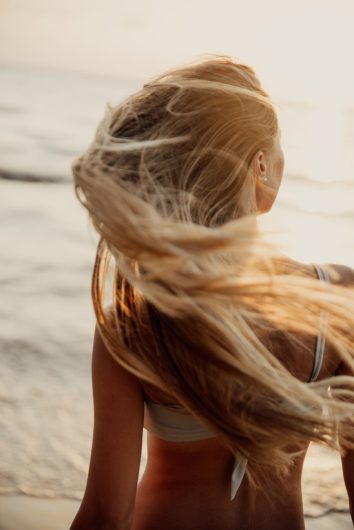
Summer brings sunshine, swimming, vacations, outdoor events, and plenty of opportunities to enjoy longer days. Unfortunately, those same activities can create extra challenges for your hair.
UV exposure, chlorine, salt water, sweat, and humidity can affect the appearance and manageability of your hair. Color-treated and chemically processed hair may require even more thoughtful care during the warmer months.
The good news is that summer hair care doesn’t have to be complicated. With the right preparation, cleansing routine, conditioning strategy, and styling habits, you can help your hair stay soft, manageable, and vibrant throughout the season.
At Just For Hair in Overland Park, we help clients adjust their hair-care routines for summer conditions and protect their color, texture, and overall hair appearance.
Why Summer Can Be Hard on Your Hair
Summer combines several environmental factors that can affect your hair at the same time.
These include:
- UV exposure
- Humidity
- Chlorinated pool water
- Salt water
- Sweat
- Frequent washing
- Heat styling
- Wind
- Outdoor activities
Each factor can affect the hair differently, but together they can make strands feel drier, rougher, more tangled, or less manageable.
UV Rays and Your Hair
Just as prolonged sun exposure can affect your skin, UV exposure can also affect the appearance of hair.
Repeated exposure may contribute to:
- Dryness
- Rough texture
- Fading of some hair colors
- Dullness
- Increased brittleness
Color-treated hair can be particularly frustrating to maintain when summer activities accelerate visible color changes.
Protect Your Hair from Direct Sun
One of the simplest forms of protection is physical coverage.
Consider:
- Wide-brimmed hats
- Lightweight scarves
- Protective hairstyles
- Limiting prolonged direct exposure when practical
A hat can also protect your scalp while adding a stylish finishing touch to a summer outfit.
UV-Protective Hair Products
Some hair-care products are formulated with ingredients intended to help protect hair from environmental exposure.
Depending on your hair type, consider products designed for:
- UV protection
- Color protection
- Moisture retention
- Heat protection
- Frizz control
Your stylist can help you determine which products make sense for your specific hair and color.
Chlorine Can Change the Way Hair Feels
Swimming pools are a summer staple, but chlorinated water can leave hair feeling dry or rough.
Repeated exposure may contribute to:
- Dryness
- Tangling
- Roughness
- Loss of softness
- Changes in color appearance
The effect can vary depending on your hair’s condition and how frequently you swim.
Wet Your Hair Before Swimming
One simple strategy is to rinse your hair with clean water before entering a pool.
Pre-wetting can reduce the amount of pool water your hair absorbs.
You can also consider applying a suitable leave-in conditioner if it is compatible with your hair and intended for use before swimming.
Rinse Immediately After Swimming
Don’t let chlorine or salt water sit on your hair longer than necessary.
After swimming:
- Rinse thoroughly with clean water.
- Cleanse when appropriate.
- Condition the hair.
- Gently detangle.
- Allow the hair to recover before excessive styling.
If you’re swimming frequently, your stylist can help establish an appropriate cleansing schedule.
What About Salt Water?
Ocean water can also affect the feel of your hair.
Salt may contribute to:
- Dryness
- Tangling
- Rough texture
- Increased friction
That effortless beach texture can look great, but repeatedly leaving salt water in the hair without rinsing can make strands feel less manageable.
Rinse with fresh water after swimming and follow with appropriate conditioning.
Protect Color-Treated Hair
Summer can be especially challenging for color-treated hair.
Sun exposure, frequent washing, swimming, and heat styling can all influence the appearance and longevity of color.
If you’ve invested in balayage, highlights, vivid color, brunette tones, or blonde services, consider:
- Color-safe cleansing
- Regular conditioning
- UV-conscious protection
- Thorough post-swim rinsing
- Heat protection
- Professional color maintenance
Blonde Hair Needs Extra Attention
Blonde hair can be particularly vulnerable to visible changes during summer.
Pool exposure, environmental minerals, sun exposure, and frequent washing can all affect blonde tones.
If your blonde begins looking dull, overly warm, or otherwise different from your intended shade, avoid immediately attempting a major correction at home.
A professional colorist can determine what changed and recommend the appropriate next step.
Humidity and Frizz
Humidity is one of the biggest summer styling challenges.
When the surrounding air is humid, hair can respond by changing shape and texture, especially if it has a naturally wavy or curly pattern.
Humidity may contribute to:
- Frizz
- Puffiness
- Loss of smoothness
- Curl expansion
- Unpredictable texture
Instead of fighting your hair completely, consider adapting your summer styling routine to work with its natural movement.
Choose Humidity-Friendly Hairstyles
Some hairstyles naturally handle summer conditions better than others.
Consider:
- Braids
- Low buns
- High ponytails
- Half-up styles
- Natural curls
- Textured waves
- Protective styles
A hairstyle with intentional texture can remain attractive even if humidity changes the hair slightly.
Don’t Overload Your Hair with Anti-Frizz Products
When frizz appears, it can be tempting to layer product after product.
However, excessive product may create:
- Buildup
- Greasiness
- Flat roots
- Heavy ends
- Dullness
Start with an appropriate amount and add more only when needed.
Fine hair may require a lightweight formula, while coarse or highly textured hair may tolerate richer products.
Be Smart About Summer Heat Styling
Summer already exposes your hair to environmental heat, so unnecessary hot-tool use can add additional stress.
When possible, consider:
- Air-drying
- Heatless styling
- Lower-temperature tools
- Fewer styling sessions
- Heat protectant
If you do use a blow dryer, curling iron, or flat iron, use a suitable heat protectant and follow the product’s instructions.
Keep Your Scalp Comfortable
Summer sweat can affect your scalp and hair-care routine.
If you’re exercising frequently or spending more time outdoors, you may need to adjust your cleansing schedule.
However, washing more frequently doesn’t necessarily mean using the harshest shampoo available.
Choose a cleanser appropriate for your scalp and hair type, and avoid aggressively scrubbing the lengths.
Condition Strategically
Summer conditioning should provide moisture without unnecessarily weighing down the hair.
Focus conditioner primarily on the mid-lengths and ends.
If your hair is particularly dry, consider incorporating a weekly conditioning treatment.
If your hair is fine, a lighter conditioner may help maintain movement and volume.
Summer Care for Curly and Textured Hair
Curly and textured hair can benefit from consistent moisture during the summer.
Consider:
- Gentle cleansing
- Regular conditioning
- Leave-in moisture
- Curl-enhancing products
- Reduced heat styling
- Protective nighttime routines
Humidity doesn’t have to mean abandoning your natural texture. It can be an opportunity to embrace a more defined, intentional version of your natural curl or wave pattern.
Summer Care for Fine Hair
Fine hair can struggle with a different problem: too much product.
Instead of layering heavy oils, creams, and conditioners, focus on targeted application.
Try:
- Lightweight conditioner
- Minimal leave-in product
- Root-friendly styling products
- Targeted conditioning on the ends
- Regular cleansing appropriate for your scalp
This can help maintain volume while still providing needed conditioning.
Don’t Forget Your Ends
The ends of your hair experience the most cumulative wear.
Summer can increase their exposure to:
- Sun
- Salt
- Chlorine
- Heat
- Friction
- Brushing
Regular trims can help maintain the shape and appearance of your haircut, while conditioning and protective styling can reduce unnecessary mechanical stress.
Summer Hair Care for Extensions
If you wear extensions, summer maintenance may require additional attention.
Swimming, sweat, sunscreen, and frequent styling can affect both the natural hair and extension attachment areas.
Follow your extension stylist’s specific recommendations regarding:
- Swimming
- Washing
- Drying
- Brushing
- Product application
- Sleeping
Never assume that the same routine used on untreated natural hair is appropriate for every extension method.
Create a Summer Hair Emergency Kit
For vacations, beach days, and outdoor events, keep a small hair kit available.
Consider packing:
- Leave-in conditioner
- Wide-tooth comb
- Hair ties
- Clips
- Hat
- UV-protective product
- Travel-size shampoo and conditioner
- Anti-frizz product
- Dry shampoo when appropriate
A small kit can make unexpected summer hair situations much easier to manage.
Summer Hair Care Mistakes to Avoid
Leaving Chlorine or Salt Water in Your Hair
Rinse thoroughly with fresh water after swimming.
Skipping Heat Protection
Sun and hot tools can both contribute to environmental and styling stress.
Overwashing Without Adjusting Your Products
If you’re cleansing more frequently, make sure your shampoo and conditioner are appropriate for that routine.
Using Too Many Heavy Products
Layering multiple rich products can create buildup and reduce volume.
Ignoring Your Hair Color
If your color changes noticeably during summer, professional evaluation is preferable to experimenting with multiple corrective products at home.
Build a Simple Summer Routine
A practical summer routine might look like this:
Before swimming:
Rinse your hair with fresh water and use appropriate protective conditioning if recommended.
After swimming:
Rinse thoroughly and cleanse as needed.
During outdoor activities:
Use physical protection such as a hat whenever practical.
For styling:
Choose humidity-conscious products and reduce unnecessary heat.
For maintenance:
Schedule trims, glosses, color maintenance, or conditioning services as appropriate.
When to Visit Your Stylist
Consider scheduling a professional appointment if your hair develops:
- Persistent dryness
- Excessive breakage
- Significant tangling
- Unwanted color changes
- Severe frizz
- Loss of curl definition
- Noticeable split ends
Your stylist can determine whether the issue requires a simple routine adjustment, conditioning service, trim, gloss, or more specialized treatment.
Why Professional Summer Hair Care Helps
There isn’t one summer routine that works for everyone.
A person with fine, straight hair may need very different products from someone with thick, curly hair. Color-treated hair may also require a different approach than untreated hair.
At Just For Hair, we consider your hair texture, color history, lifestyle, and summer activities when recommending seasonal care.
Why Choose Just For Hair?
At Just For Hair in Overland Park, we specialize in custom color, balayage, precision haircuts, blowouts, smoothing services, formal styling, and personalized hair care. Our experienced stylists can help you protect and maintain your hair through summer’s combination of sun, swimming, humidity, heat, and outdoor activities.
Whether you need a fresh summer haircut, color maintenance, a conditioning treatment, or advice for protecting your hair on vacation, we’re here to help you keep your hair looking healthy, manageable, and beautiful all season long.
Leave a Reply