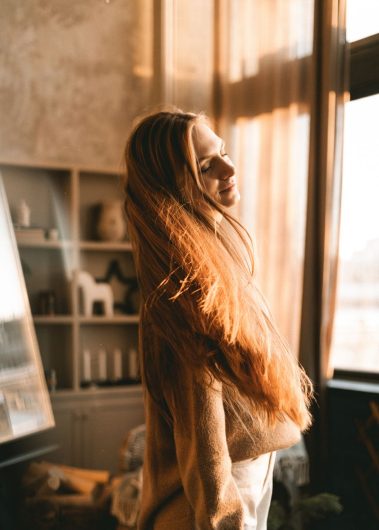
Winter hair care isn’t only about protecting your strands from cold outdoor temperatures. The dry indoor air created by heating systems can be just as challenging for your hair.
As temperatures drop, indoor heating can reduce the moisture in the surrounding environment. Combined with cold outdoor air, hats, scarves, frequent washing, and static-producing fabrics, this can leave hair feeling dry, rough, dull, or difficult to manage.
The good news is that a few thoughtful changes to your winter routine can help your hair remain softer, smoother, and more manageable throughout the season.
At Just For Hair in Overland Park, we help clients adjust their hair-care routines for seasonal changes, including winter dryness, static, frizz, and moisture loss.
Why Indoor Heat Can Affect Your Hair
Heating systems make indoor spaces comfortable during cold weather, but heated air is often relatively dry.
When the surrounding environment lacks moisture, hair can become more prone to:
- Dryness
- Rough texture
- Static
- Frizz
- Tangling
- Breakage
- Dullness
- Brittle-feeling ends
The effect can be especially noticeable when moving repeatedly between heated indoor spaces and cold outdoor conditions.
Winter Air Can Be Hard on Hair
Winter creates a combination of environmental stressors.
Your hair may experience:
Cold outdoor air: Can contribute to a dry, rough feeling.
Indoor heating: Creates a lower-humidity environment.
Wind: Can increase tangling and mechanical stress.
Hats and scarves: May create friction and static.
Hot showers: Can strip natural oils when used excessively.
Instead of focusing on one factor, think of winter hair care as a complete seasonal routine.
Adjust Your Washing Routine
You may not need to wash your hair exactly the same way throughout the year.
If your hair feels especially dry during winter, consider whether you’re:
- Shampooing more frequently than necessary
- Using very hot water
- Applying shampoo aggressively to the lengths
- Using a cleanser that’s too drying for your hair
Your ideal washing schedule depends on your scalp, hair texture, activity level, and styling habits.
Don’t Skip Conditioner
Conditioner becomes particularly important when hair is exposed to dry winter environments.
Focus conditioner primarily on the mid-lengths and ends, where dryness and friction may be more noticeable.
Depending on your hair type, your stylist may recommend:
- Lightweight daily conditioner
- Richer conditioning treatments
- Leave-in conditioner
- Moisture-focused masks
The goal is to provide appropriate conditioning without unnecessarily weighing down the hair.
Add a Weekly Moisture Treatment
A weekly conditioning treatment can provide additional support when hair feels dry.
Look for products designed to improve:
- Softness
- Manageability
- Smoothness
- Elasticity
- Moisture retention
How often you need a treatment depends on your hair’s condition. Fine hair may need lighter formulas, while coarse or chemically treated hair may benefit from richer treatments.
Don’t Turn Up the Shower Temperature
A long, extremely hot shower may feel wonderful during winter, but very hot water can be drying for the skin and may make hair feel less comfortable as well.
Try using comfortably warm water instead of extremely hot water.
If possible, keep the final rinse slightly cooler.
Use Heat Protectant
Winter often means increased use of:
- Blow dryers
- Flat irons
- Curling irons
- Heated brushes
If you’re regularly heat styling, a heat protectant should be part of your routine.
Apply it according to the product’s directions before using hot tools.
Avoid Excessive Heat Styling
Dry indoor air and frequent hot-tool use can create a challenging combination.
If your hair is already feeling dry, consider rotating between:
- Air-drying
- Low-heat blow-drying
- Heatless styling
- Lower-temperature tools
- Protective hairstyles
You don’t necessarily have to eliminate heat styling. The goal is to avoid unnecessary cumulative stress.
Use a Humidifier
One practical way to improve your indoor environment is to use a humidifier.
Adding moisture to dry indoor air can make the environment more comfortable during the winter heating season.
Keep the humidifier clean and follow the manufacturer’s maintenance instructions.
Fight Winter Static
Static is one of the most frustrating winter hair problems.
Dry air combined with friction from clothing and hats can increase static.
Helpful strategies may include:
- Using a lightweight leave-in conditioner
- Choosing moisturizing styling products
- Reducing excessive brushing
- Using a suitable anti-static or smoothing product
- Avoiding unnecessary friction
The right solution depends on your hair texture and how easily it becomes weighed down.
Be Gentle When Detangling
Dry hair can be more prone to tangling and mechanical damage.
Instead of aggressively pulling through knots:
- Start at the ends.
- Work upward gradually.
- Use a suitable detangling product when needed.
- Hold sections gently while brushing.
- Avoid repeatedly pulling through the same knot.
A wide-tooth comb or hair-friendly brush may be useful depending on your hair type.
Protect Hair Under Winter Hats
Hats are useful for staying warm, but repeated friction can contribute to static and tangling.
Consider choosing smoother, hair-friendly materials when possible.
You can also:
- Keep hair loosely styled
- Avoid excessively tight ponytails under hats
- Use a lightweight leave-in conditioner
- Minimize repeated friction
If a hat consistently causes tangling, experiment with different materials and fits.
Don’t Go Outside with Soaking-Wet Hair
Wet hair is more vulnerable to mechanical stress and can be uncomfortable in cold weather.
Whenever possible, allow your hair to dry adequately before heading outside.
If you need to blow-dry, use a heat protectant and an appropriate temperature rather than relying on maximum heat.
Protect Your Ends
The ends are the oldest and most weathered part of your hair.
During winter, they may benefit from:
- Leave-in conditioning
- Lightweight smoothing products
- Regular trims
- Reduced friction
- Gentle detangling
If your ends are already severely split or damaged, products can improve their appearance but cannot permanently repair a split end. A professional trim may be the better solution.
Be Careful with Heavy Oils
Oil can help reduce friction and improve softness for some hair types, but using too much can leave fine or low-density hair heavy.
Instead of automatically adding more oil, consider whether your hair needs:
- Moisture
- Conditioning
- Smoothing
- Protection
- Reduced friction
Your stylist can help determine which type of product is most appropriate.
Winter Hair Care for Color-Treated Hair
Color-treated hair may need additional attention during winter.
Dryness can make color-treated strands feel rougher or look less vibrant.
Consider:
- Color-safe cleansing
- Regular conditioning
- Leave-in protection
- Heat protection
- Reduced overwashing
- Professional glossing or maintenance when appropriate
Your stylist can recommend a routine based on your specific color service.
Winter Hair Care for Curly and Textured Hair
Curly and textured hair can be particularly sensitive to changes in moisture and humidity.
A winter routine may include:
- Gentle cleansing
- Consistent conditioning
- Leave-in moisture
- Curl-friendly styling products
- Reduced manipulation
- Protective nighttime routines
Avoid assuming that heavier products are always better. The right balance depends on your curl pattern, density, porosity, and individual needs.
Winter Hair Care for Fine Hair
Fine hair needs moisture without unnecessary weight.
Instead of layering multiple rich products, consider:
- Lightweight conditioner
- Fine-hair-friendly leave-ins
- Targeted treatment on the ends
- Lightweight styling products
- Strategic product placement
Applying rich products primarily where your hair needs them can help preserve volume.
Protect Hair While You Sleep
Nighttime friction can contribute to dryness, tangling, and breakage.
Depending on your hairstyle and texture, consider:
- A satin or silk pillowcase
- A loose braid
- A relaxed protective style
- A suitable bonnet
- Gentle detangling before bed
Avoid sleeping with extremely tight hairstyles.
Don’t Forget Your Scalp
Winter dryness can affect the scalp as well.
If your scalp feels unusually dry or uncomfortable, review your cleansing and product routine rather than simply adding more oil.
Persistent scalp irritation, flaking, redness, or discomfort may require professional evaluation rather than cosmetic treatment.
When to Schedule a Professional Hair Appointment
A seasonal salon visit can be helpful if your hair is experiencing:
- Persistent dryness
- Excessive breakage
- Severe tangling
- Noticeable split ends
- Color changes
- Loss of manageability
- Difficulty maintaining your usual style
Your stylist can evaluate the condition of your hair and recommend adjustments to your routine.
Common Winter Hair-Care Mistakes
Taking Extremely Hot Showers
Hot water can contribute to a dry-feeling routine. Comfortable warm water is generally a better approach.
Using Too Many Heavy Products
More moisture isn’t always better. Excessive product can cause buildup and reduce volume.
Skipping Conditioner
Dry winter environments can make consistent conditioning especially useful.
Using Maximum Heat
The highest setting isn’t automatically the most effective. Use appropriate temperatures and heat protection.
Ignoring Static
Static is often a sign that your hair and environment are lacking moisture. Small routine adjustments can make a noticeable difference.
Create a Winter Hair Plan
Your winter routine doesn’t have to be complicated.
A simple seasonal plan might include:
Cleanse: Use a shampoo appropriate for your scalp and hair needs.
Condition: Focus on the mid-lengths and ends.
Treat: Add a weekly moisture-focused treatment if appropriate.
Protect: Use heat protection and reduce unnecessary hot-tool exposure.
Hydrate the environment: Consider a clean, properly maintained humidifier.
Reduce friction: Be mindful of hats, scarves, towels, and nighttime routines.
Trim: Keep damaged ends under control with regular professional maintenance.
Why Professional Winter Hair Advice Helps
Every head of hair responds differently to seasonal changes. Fine hair may become limp from heavy products, while coarse or textured hair may need additional conditioning. Color-treated hair may require a different approach from untreated hair.
At Just For Hair, we can evaluate your hair’s current condition and help you create a practical winter routine based on your texture, color history, styling habits, and goals.
Why Choose Just For Hair?
At Just For Hair in Overland Park, we specialize in precision haircuts, custom color, blowouts, smoothing services, formal styling, and personalized hair care. Our stylists understand that seasonal changes can affect every hair type differently and can help you choose appropriate products, styling techniques, and maintenance services for the colder months.
If winter has left your hair feeling dry, static-prone, dull, or difficult to manage, schedule a consultation at Just For Hair. We can help you build a winter hair-care routine that protects your strands while keeping your hair healthy-looking, manageable, and beautiful throughout the season.
Leave a Reply