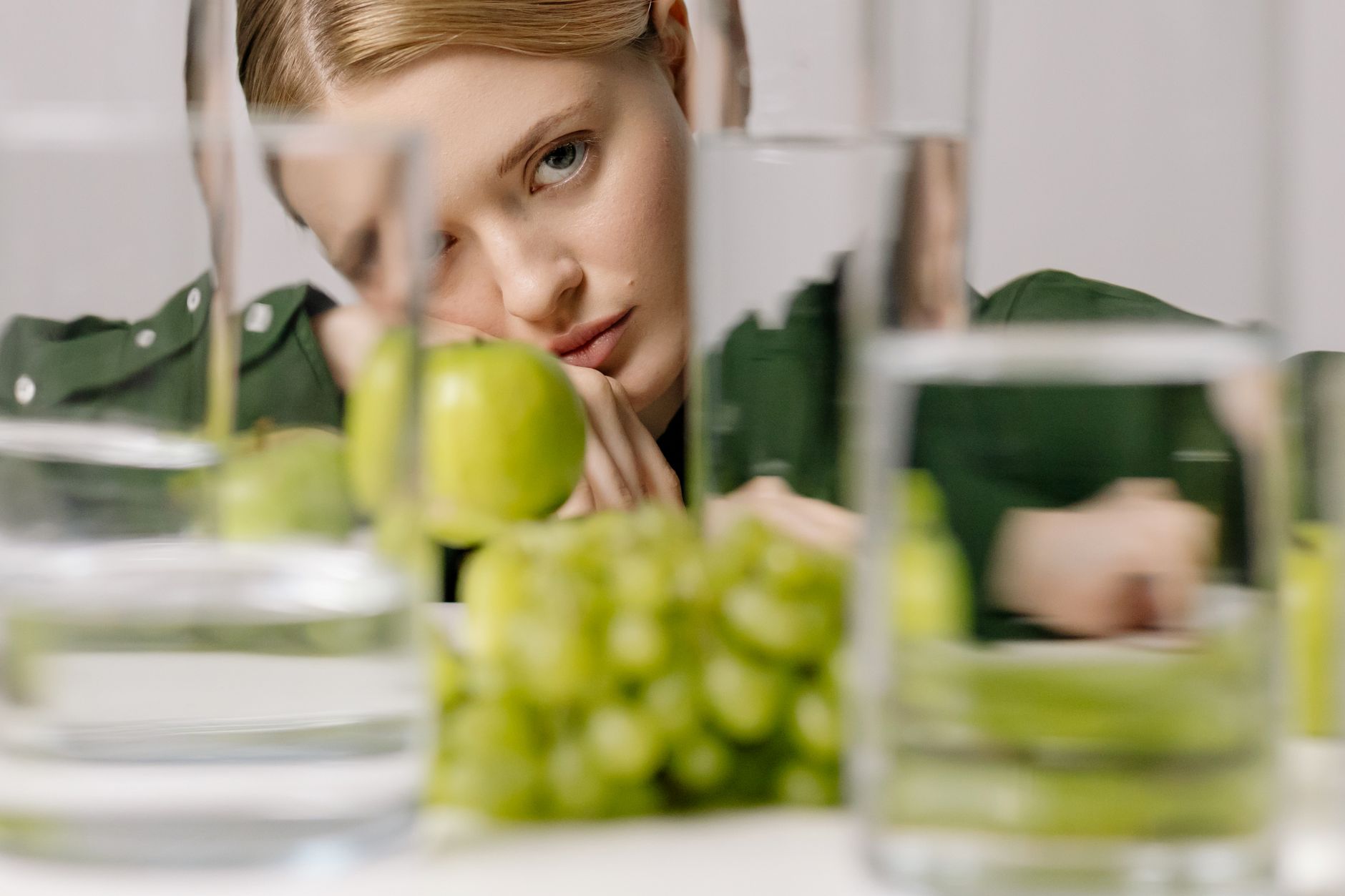
Healthy-looking hair starts at the scalp, and scalp condition can be influenced by many factors, including genetics, haircare habits, environment, hormones, and overall nutrition. Diet and hydration are important parts of general wellness, but they aren’t a cure-all for scalp concerns.
A balanced diet provides the nutrients your body needs to support normal skin and hair function, while adequate fluid intake supports overall hydration. At the same time, an itchy, flaky, oily, or irritated scalp may have causes that nutrition alone cannot address.
At OP Hair Salon in Overland Park, we help clients build practical scalp and haircare routines while recognizing when a concern may require evaluation by a qualified healthcare professional.
Why Scalp Health Matters
Your scalp is skin, and healthy skin provides the foundation for healthy-looking hair.
A balanced scalp environment can support:
- Comfortable skin
- Normal hair growth
- Easier cleansing
- Better styling
- A healthier-looking appearance
- Reduced visible dryness
Scalp health is influenced by far more than the products you apply externally.
How Diet Can Support Scalp Health
Your body needs adequate nutrition for normal cellular function, including the cells involved in maintaining skin and hair.
A varied diet that provides sufficient:
- Protein
- Iron
- Zinc
- Essential fatty acids
- Vitamins
- Minerals
- Overall calories
can support general nutritional health.
However, taking extra supplements isn’t automatically beneficial if you aren’t deficient.
Protein and Hair Structure
Hair is primarily made of a protein called keratin.
Adequate dietary protein supports normal hair production as part of overall nutrition.
Protein-rich foods can include:
- Eggs
- Fish
- Poultry
- Dairy products
- Beans
- Lentils
- Tofu
- Nuts and seeds
The appropriate amount varies by individual.
Iron and Hair Health
Iron plays important roles in the body, including oxygen transport.
Inadequate iron status can be associated with hair concerns in some individuals.
However, you shouldn’t automatically begin taking iron supplements because of hair shedding.
Too much iron can also be harmful.
If you suspect an iron deficiency, speak with a healthcare professional who can determine whether testing or supplementation is appropriate.
Zinc and Scalp Function
Zinc is an essential mineral involved in many biological processes.
A balanced diet can provide zinc through foods such as:
- Meat
- Seafood
- Dairy
- Beans
- Nuts
- Seeds
- Whole grains
Supplementation should be based on individual needs rather than high-dose beauty claims.
Healthy Fats and the Scalp
Dietary fats are important for overall health.
Sources of unsaturated fats include:
- Avocados
- Olive oil
- Nuts
- Seeds
- Fatty fish
A varied diet containing healthy fats can contribute to overall nutritional adequacy.
This doesn’t mean applying dietary oils directly to the scalp will produce the same effect.
Vitamins and Hair Health
Many vitamins contribute to normal body function.
A balanced diet containing fruits, vegetables, whole grains, proteins, and other nutrient-rich foods can help provide a broad range of vitamins and minerals.
High-dose supplements aren’t necessarily better.
Biotin: More Isn’t Always Better
Biotin is frequently marketed for hair growth.
However, biotin deficiency is uncommon in many populations, and taking high-dose biotin when you aren’t deficient isn’t guaranteed to improve hair growth.
High doses can also interfere with certain laboratory tests.
Always tell your healthcare professional about supplements you’re taking.
Vitamin D and Hair Concerns
Vitamin D is important for overall health, and researchers have investigated relationships between vitamin D status and several hair conditions.
However, a supplement isn’t appropriate for everyone.
If you suspect a deficiency, discuss testing and treatment with a healthcare professional.
Hydration and Scalp Health
Water is essential for normal body function.
Staying adequately hydrated supports overall health and helps your body maintain normal physiological processes.
However, drinking extra water doesn’t automatically cure a dry or flaky scalp.
Scalp dryness can have many causes, including:
- Weather
- Cleansing habits
- Irritation
- Product sensitivity
- Skin conditions
- Environmental factors
How Much Water Do You Need?
Fluid requirements vary based on:
- Body size
- Activity level
- Climate
- Diet
- Health status
- Pregnancy or breastfeeding
- Medications
Rather than following a universal “eight glasses” rule, pay attention to your body’s needs and guidance from your healthcare professional.
Hydration in Hot Weather
Warm weather and physical activity can increase fluid requirements.
In a hot climate, staying appropriately hydrated can support overall comfort and wellness.
However, increased water intake should not replace appropriate scalp care.
Diet and the Scalp Microenvironment
Nutrition can contribute to overall skin health, but the scalp also has its own local environment.
Factors such as:
- Sebum production
- Skin barrier function
- Microorganisms
- Product use
- Cleansing frequency
all influence how the scalp behaves.
Diet Doesn’t Replace Scalp Care
Even an excellent diet can’t compensate for:
- Excessive product buildup
- Aggressive scratching
- Tight hairstyles
- Harsh cleansing
- Chemical irritation
- Untreated scalp conditions
External and internal care work together.
A Balanced Approach to Scalp Health
Think about scalp care in three categories:
Internal Support
- Balanced nutrition
- Adequate fluids
- Sufficient protein
- Appropriate nutrient intake
External Care
- Gentle cleansing
- Appropriate conditioning
- Product buildup management
- Sun protection
- Gentle styling
Professional Evaluation
- Hair and scalp consultation
- Color-service planning
- Identification of visible scalp concerns
- Medical referral when appropriate
Foods That Can Support a Balanced Haircare Lifestyle
Rather than focusing on a single “superfood,” build meals around variety.
A balanced plate may include:
Protein + vegetables or fruit + whole grains or other carbohydrate sources + healthy fats.
Examples include:
- Salmon with vegetables and whole grains
- Lentil bowls with vegetables and seeds
- Eggs with whole-grain toast and fruit
- Tofu with vegetables and rice
- Greek yogurt with fruit and nuts
The goal is nutritional variety rather than a restrictive hair-growth diet.
Scalp Health and Restrictive Diets
Very restrictive diets can make it harder to obtain adequate calories and nutrients.
If you’ve significantly changed your eating pattern and subsequently noticed changes in hair shedding or overall hair condition, discuss the situation with a healthcare professional.
A registered dietitian can also help evaluate whether your diet provides adequate nutrition.
Sudden Hair Shedding and Nutrition
Hair shedding can have many causes.
Potential contributors may include:
- Illness
- Stress
- Hormonal changes
- Medications
- Significant weight changes
- Nutritional deficiencies
- Genetic factors
Don’t assume that a new supplement is the answer.
Persistent or sudden shedding deserves appropriate medical evaluation.
Hair Breakage vs. Hair Shedding
These are different concerns.
Hair Shedding
The hair releases from the follicle.
Hair Breakage
The hair fiber breaks along the shaft.
Diet may be relevant to overall health and hair growth, but breakage is often strongly influenced by:
- Heat
- Chemical processing
- Mechanical stress
- Dryness
- Styling
Scalp Dryness vs. Dandruff
A dry-feeling scalp isn’t necessarily the same thing as dandruff.
Visible flakes can have different causes.
If flaking is persistent or accompanied by redness or itching, consider professional medical evaluation rather than assuming you simply need more water or oil.
Can Drinking More Water Fix a Dry Scalp?
Usually, not by itself.
Adequate hydration is important for general health, but scalp dryness may be caused by local factors.
Consider:
- Shampooing habits
- Product ingredients
- Weather
- Water quality
- Scalp sensitivity
- Underlying skin conditions
If symptoms persist, consult an appropriate healthcare professional.
Can Diet Make Your Scalp Oily?
Scalp oil production is influenced by factors such as genetics, hormones, and individual skin characteristics.
Diet may affect overall health, but there isn’t a simple food-to-oily-scalp formula.
Focus on a balanced diet rather than eliminating foods without a clear reason.
The Role of Omega-3 Fatty Acids
Omega-3 fatty acids are important dietary fats.
Foods such as:
- Salmon
- Sardines
- Mackerel
- Chia seeds
- Flaxseeds
- Walnuts
can contribute to dietary omega-3 intake.
They should be considered part of an overall balanced eating pattern rather than a guaranteed scalp treatment.
Should You Take Hair Supplements?
Be cautious with supplements marketed specifically for hair growth.
Before taking one, consider:
- Whether you have a documented deficiency
- Whether the ingredients overlap with other supplements
- Whether the dosage is appropriate
- Whether it could interact with medications
- Whether it can interfere with laboratory testing
A healthcare professional can help determine whether supplementation is appropriate.
Why Blood Testing May Sometimes Be Appropriate
If a person has persistent hair shedding or other symptoms suggestive of a nutritional issue, a healthcare professional may determine whether laboratory testing is appropriate.
Don’t attempt to diagnose deficiencies based solely on hair appearance.
Scalp Health During Weight Loss
Rapid or significant weight loss can sometimes be associated with temporary increased hair shedding.
If you’re pursuing weight loss, prioritize adequate nutrition rather than extreme restriction.
If you experience significant shedding after weight changes, discuss it with a healthcare professional.
Stress, Nutrition, and Hair
Stress can influence hair shedding in some circumstances.
Nutrition, sleep, hydration, and stress management all contribute to general wellbeing.
However, improving your diet shouldn’t be presented as a guaranteed treatment for stress-related hair loss.
Sleep and Scalp Wellness
Sleep doesn’t directly “feed” your scalp, but adequate sleep supports overall health.
A comprehensive wellness routine can include:
- Regular sleep
- Balanced nutrition
- Appropriate hydration
- Physical activity
- Stress management
These habits support general wellbeing alongside your haircare routine.
A Simple Daily Wellness Routine
Morning
- Drink fluids according to your needs.
- Eat a balanced breakfast.
- Avoid skipping meals unnecessarily.
During the Day
- Stay appropriately hydrated.
- Include protein-rich foods.
- Eat a variety of fruits and vegetables.
- Choose minimally processed foods when practical.
Evening
- Follow your scalp and haircare routine.
- Avoid aggressive brushing.
- Protect hair from unnecessary friction while sleeping.
A Simple Scalp-Care Routine
Internal wellness works best alongside appropriate external care.
A basic routine may include:
Cleanse → Condition → Protect → Monitor
Adjust the frequency based on your scalp and hair type.
Common Nutrition Myths About Scalp Health
Myth: Drinking Huge Amounts of Water Creates Healthier Hair
Adequate hydration is important, but excessive water intake isn’t a hair-growth strategy.
Myth: One Food Can Transform Your Hair
Hair and scalp health depend on many factors.
Myth: Biotin Supplements Always Make Hair Grow Faster
Biotin is helpful when deficiency is present, but high doses aren’t automatically beneficial.
Myth: Hair Vitamins Can Replace a Balanced Diet
Supplements don’t replace varied nutrition.
Myth: An Oily Scalp Means You’re Eating Too Much Fat
Scalp oil production is more complex than a simple dietary-fat relationship.
When to Talk to Your Stylist
A stylist can help you identify external factors affecting the appearance and manageability of your hair.
Ask for professional guidance if you’re dealing with:
- Product buildup
- Dry-looking hair
- Excessive breakage
- Styling-related damage
- Color-related dryness
- Changes in hair texture
When to See a Healthcare Professional
Consult a qualified healthcare professional if you experience:
- Sudden or significant hair shedding
- Noticeable thinning
- Bald patches
- Persistent scalp pain
- Severe itching
- Redness or inflammation
- Sores
- Unexplained changes in hair growth
Nutrition may be one factor, but medical causes should not be overlooked.
Building a Scalp-Healthy Lifestyle
A practical approach is to focus on the fundamentals:
Eat a varied diet.
Stay appropriately hydrated.
Care for your scalp gently.
Protect your hair from unnecessary damage.
Address persistent symptoms professionally.
You don’t need an elaborate supplement routine to support healthy-looking hair.
Why Choose OP Hair Salon?
At OP Hair Salon in Overland Park, we take a whole-routine approach to hair and scalp care. Our stylists can help you evaluate your cleansing habits, product buildup, styling practices, chemical services, and overall hair condition.
While nutrition and hydration are important parts of general wellness, we also understand the importance of recognizing when a scalp or hair concern needs medical evaluation rather than another salon product.
Ready to improve your scalp and haircare routine? Schedule a consultation at OP Hair Salon in Overland Park and talk with your stylist about practical ways to support a healthy-looking scalp and beautiful hair.
diet and scalp health, hydration and scalp health, nutrition for healthy scalp, foods for healthy hair and scalp, healthy scalp diet, hydration for healthy hair, scalp health tips, nutrition and hair health, diet for healthy hair, scalp care tips, healthy hair lifestyle, vitamins for hair health, protein and hair health, iron and hair health, zinc and hair health, omega 3 hair health, scalp care Overland Park, healthy hair Overland Park, hair salon Overland Park, scalp consultation Overland Park, OP Hair Salon, OP Hair Salon Overland Park, Overland Park hair salon, Kansas hair salon
Leave a Reply