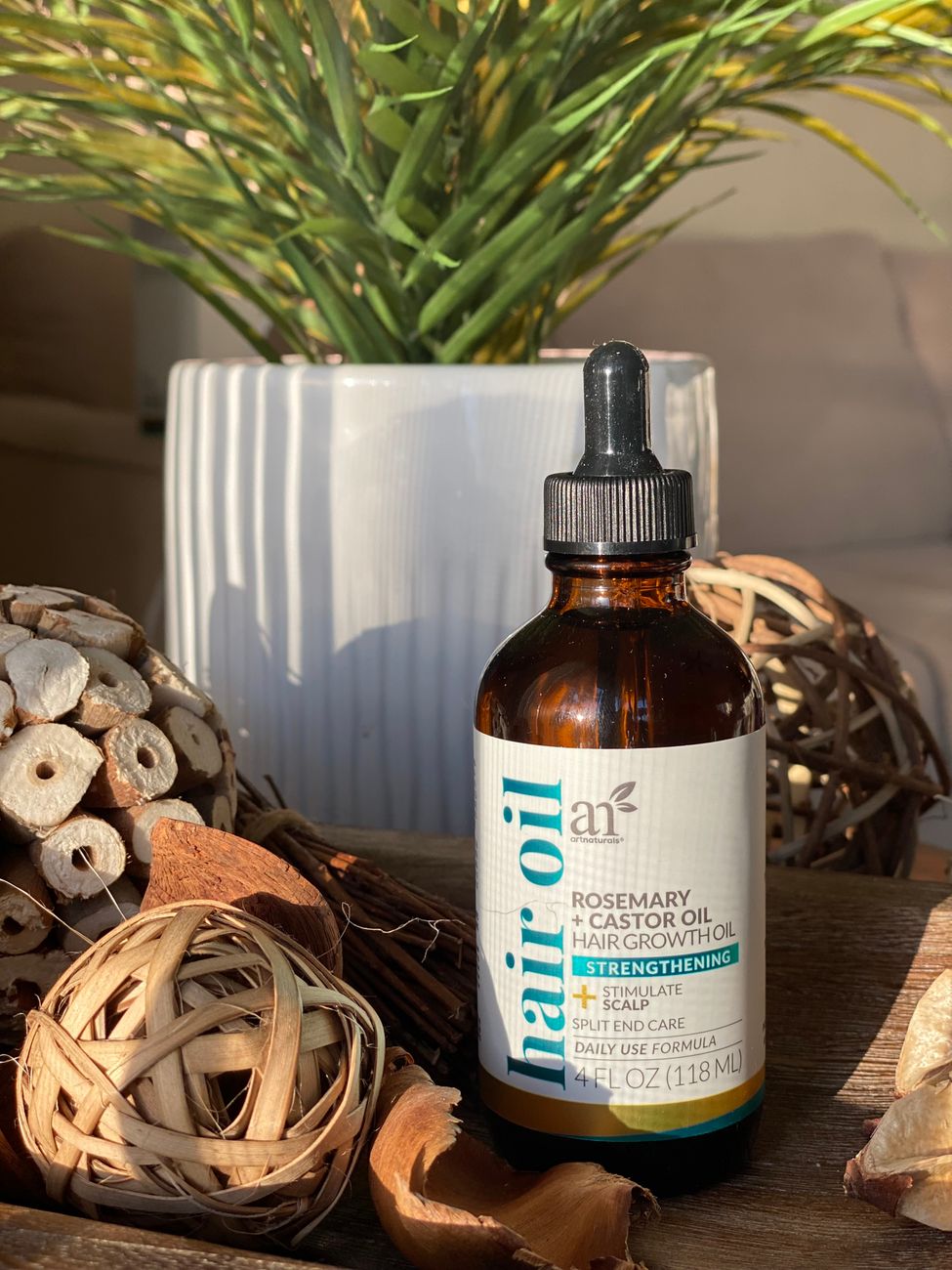
Scalp oils have become a popular addition to modern hair-care routines. From lightweight botanical oils to specially formulated scalp treatments, these products can help some people manage the feeling of dryness and support a comfortable scalp-care routine.
However, scalp oil isn’t right for everyone. Using too much oil, applying it to the wrong scalp type, or using it when you have an unexplained scalp condition can sometimes create additional problems.
At Just For Hair, also known as OP Hair Salon, located at 1170 W 135th St, Overland Park, KS 66221, United States, we believe scalp care should be personalized to your hair type, scalp condition, and lifestyle.
What Are Scalp Oils?
Scalp oils are products designed to be applied directly to the skin of the scalp. They may contain ingredients such as plant oils, lightweight emollients, or formulated blends intended to moisturize or condition the scalp.
Some products are designed as pre-shampoo treatments, while others are intended to be used in small amounts and left on the scalp.
Because formulations vary considerably, always follow the directions on the specific product you use.
When Can Scalp Oils Be Helpful?
Scalp oil may be worth considering when your scalp feels dry or tight and you tolerate oil-based products well.
A small amount may help provide a more conditioned feel and reduce the sensation of dryness for some people.
1. When Your Scalp Feels Dry
Environmental conditions, frequent washing, hot water, or certain hair-care routines may leave the scalp feeling dry.
If your scalp is simply dry rather than affected by an underlying condition, an appropriate oil may be one option to consider.
2. Before Shampooing
Some scalp oils work well as pre-shampoo treatments. Applying a small amount before cleansing can provide a conditioning step before the hair is washed.
This approach may be particularly convenient for people who don’t enjoy leaving oil on their scalp throughout the day.
3. When Your Hair and Scalp Tolerate Oils
Not every scalp reacts the same way to oil. If your scalp remains comfortable and your hair doesn’t become excessively greasy or weighed down, occasional oiling may fit into your routine.
The key is moderation.
When Should You Avoid Scalp Oils?
More oil isn’t always better. There are situations where adding oil to the scalp may not be appropriate.
1. If Your Scalp Is Already Oily
If your scalp naturally produces a lot of oil, adding additional oil may make your hair look greasy or cause buildup.
Instead, focus on a cleansing routine appropriate for your scalp and hair type.
2. During Certain Scalp Conditions
If you have persistent itching, redness, scaling, sores, inflammation, or another unexplained scalp concern, don’t assume that oil will solve the problem.
Conditions such as psoriasis, eczema, seborrheic dermatitis, and fungal infections require different approaches. Some scalp conditions may even become more uncomfortable with inappropriate products.
If you have an ongoing scalp problem, consult a dermatologist or qualified healthcare professional.
3. If You Notice Buildup
Heavy or frequent oil application can contribute to buildup, particularly when the product isn’t thoroughly removed.
If your scalp feels coated, greasy, itchy, or uncomfortable after oiling, reconsider how much you’re applying and how often you’re using it.
4. If a Product Irritates Your Scalp
Natural doesn’t automatically mean irritation-free.
Essential oils, fragrances, botanical extracts, and other ingredients can cause irritation or allergic reactions in some individuals.
If you experience burning, redness, swelling, itching, or discomfort after using a product, discontinue it and seek appropriate medical advice if symptoms persist or are significant.
How Much Scalp Oil Should You Use?
One of the most common mistakes with scalp oil is applying too much.
Start with a small amount and distribute it carefully rather than saturating the scalp. The right quantity depends on your hair density, scalp type, product formulation, and whether you’re using it as a pre-shampoo treatment or leave-in product.
Your stylist can help you determine whether oil fits into your routine and how to avoid weighing down your hair.
Scalp Oil vs. Hair Oil
Scalp oil and hair oil aren’t necessarily interchangeable.
Scalp oils are formulated or selected for application to the scalp.
Hair oils are generally intended for the lengths and ends of the hair, where they can help improve softness, shine, and manageability.
If your main concern is dry or frizzy ends, applying oil to the hair rather than the scalp may be more appropriate.
How to Incorporate Scalp Oil Into Your Routine
If your scalp tolerates oil well, consider a simple routine:
- Choose a product appropriate for your scalp.
- Apply a small amount rather than saturating the scalp.
- Massage gently without scratching.
- Leave the product on for the recommended amount of time.
- Cleanse according to the product directions.
- Monitor how your scalp feels afterward.
- Reduce frequency if you notice buildup or irritation.
Consistency and moderation are more important than using large amounts.
Don’t Forget Your Hair Type
Your hair texture and density can influence how scalp oil affects your overall style.
Fine hair may become weighed down quickly, while thicker or highly textured hair may tolerate richer products differently.
Color-treated hair also deserves consideration. Your stylist can help you choose a routine that supports your hair-care goals without unnecessarily affecting your professional services.
What About Scalp Massage?
A gentle scalp massage can be a relaxing addition to a hair-care routine. If you use oil during a massage, avoid aggressive rubbing or scratching.
The purpose should be gentle application—not vigorous stimulation.
If your scalp is inflamed, painful, or irritated, avoid massaging the affected area and consult a healthcare professional when appropriate.
When Professional Advice Is Better
Scalp oils are cosmetic products, not universal treatments for scalp disorders.
If you experience persistent:
- Itching
- Redness
- Flaking
- Scaling
- Pain
- Sores
- Swelling
- Unusual hair loss
it’s better to seek professional medical advice rather than repeatedly changing cosmetic products.
At Just For Hair, our stylists can provide hair-care and styling guidance, but scalp conditions requiring diagnosis or medical treatment should be evaluated by a qualified healthcare professional.
Personalized Scalp Care at Just For Hair
The best scalp routine is one that matches your individual needs.
At Just For Hair / OP Hair Salon, we can discuss your current hair-care habits, product preferences, hair texture, and styling routine. If you’re considering adding scalp oil to your routine, a professional conversation can help you determine how it may fit alongside your other hair-care practices.
Visit Just For Hair in Overland Park
Looking for personalized hair care in Overland Park, KS?
Visit:
Just For Hair / OP Hair Salon
1170 W 135th St
Overland Park, KS 66221
United States
Learn more about our professional hair services at ophairsalon.com.
Scalp oils can be a useful addition to the right routine—but the best scalp care starts with understanding what your scalp actually needs.
Leave a Reply