Choosing the right conditioning treatment can make a noticeable difference in how your hair feels, looks, and behaves. Two popular options are leave-in treatments and rinse-out hair masks. Although both can provide conditioning benefits, they are designed to be used differently.
Understanding when and how to use each one can help prevent product buildup while giving your hair the moisture and manageability it needs.
At Just For Hair, also known as OP Hair Salon, located at 1170 W 135th St, Overland Park, KS 66221, United States, we believe effective hair care starts with choosing products that match your hair’s texture, condition, and styling needs.
What Is a Rinse-Out Hair Mask?
A rinse-out mask is a conditioning treatment that is applied to the hair for a specific amount of time and then thoroughly rinsed away.
Hair masks are often more concentrated than everyday conditioners and may be designed to address concerns such as:
- Dryness
- Rough texture
- Frizz
- Brittleness
- Chemical processing
- Heat damage
- Poor manageability
A mask isn’t necessarily something you need every time you wash your hair. Frequency should depend on your hair’s condition and the product instructions.
What Is a Leave-In Treatment?
A leave-in treatment is formulated to remain on the hair after washing.
It may provide benefits such as:
- Lightweight conditioning
- Detangling
- Frizz control
- Moisture retention
- Heat protection
- Smoothing
- Curl definition
Because leave-ins remain on the hair, the amount you use matters.
Applying too much can leave fine or low-density hair feeling heavy or coated.
The Biggest Difference
The simplest distinction is:
Rinse-out mask = intensive conditioning that is removed after processing.
Leave-in treatment = ongoing conditioning or protection that remains on the hair.
Neither is automatically better.
They serve different purposes and can sometimes be used together.
How to Use a Rinse-Out Hair Mask
For most masks, a simple process works well:
- Shampoo your hair as appropriate.
- Gently squeeze out excess water.
- Apply the mask primarily to the lengths and ends unless the product specifically states that it is suitable for the scalp.
- Distribute evenly.
- Leave it on for the recommended amount of time.
- Rinse thoroughly.
- Style as usual.
Always follow the manufacturer’s directions because formulas vary.
How to Use a Leave-In Treatment
Leave-in products are generally used after washing and conditioning.
A typical routine is:
- Cleanse your hair.
- Apply rinse-out conditioner or a mask if needed.
- Rinse thoroughly.
- Gently towel-blot excess water.
- Apply a small amount of leave-in treatment to the lengths and ends.
- Distribute evenly.
- Style as desired.
Start with less product and add more only if necessary.
Can You Use Both?
Yes, depending on your hair’s needs.
For example:
Shampoo → Hair mask → Rinse → Leave-in treatment → Styling
This can work well for dry, textured, or chemically treated hair.
However, you don’t necessarily need both products every wash.
If your hair becomes limp, greasy, or coated, you may be over-conditioning or using too much product.
Choosing Based on Hair Type
Fine Hair
Fine hair often benefits from lightweight formulas.
A rich mask may be used occasionally, while a lightweight leave-in can provide daily manageability without excessive weight.
Thick or Coarse Hair
Thicker or coarser hair may tolerate richer conditioning products and may benefit from regular deep-conditioning treatments.
Curly Hair
Curly hair often benefits from moisture and detangling support.
A rinse-out mask can provide deeper conditioning, while a leave-in can help support curl definition and reduce frizz.
Coily Hair
Coily hair can be particularly susceptible to dryness and tangling.
A combination of deep conditioning and leave-in moisture may be helpful, depending on the hair’s needs.
Color-Treated Hair
Color-treated hair may benefit from conditioning products formulated to support softness and manageability without unnecessarily affecting the color.
Your stylist can recommend a routine based on your specific color service.
How Often Should You Use a Hair Mask?
There isn’t one perfect schedule.
Some people may benefit from a mask once a week, while others may need it less frequently.
Consider using a mask when your hair feels:
- Dry
- Rough
- Tangled
- Stiff
- Difficult to manage
If your hair feels consistently heavy or flat after masking, reduce the frequency or switch to a lighter formula.
How Often Should You Use a Leave-In?
Leave-in treatments can be used more frequently than masks, but it depends on the product.
Some are designed for daily use, while others are intended for occasional application.
Always follow the product directions.
Your hair’s density and texture also matter. Fine hair may need only a small amount, while thick or highly textured hair may require more.
Avoid Applying Every Product to Your Scalp
Many conditioning products are designed for the hair lengths rather than the scalp.
Applying rich masks, oils, creams, and leave-ins directly to the scalp can contribute to buildup or make the roots appear greasy.
Unless the product is specifically formulated for scalp use, concentrate conditioning products on the mid-lengths and ends.
Leave-In Treatments and Heat Styling
Some leave-in products contain heat-protective ingredients, but not every leave-in is a heat protectant.
If you’re using a blow dryer, curling iron, flat iron, or other hot tool, check the product label to make sure it provides the level of heat protection appropriate for your styling routine.
Avoid assuming that any conditioning product protects against high temperatures.
Masks Don’t Repair Every Type of Damage
Deep-conditioning masks can improve the feel and appearance of damaged hair, but they can’t completely restore severely broken or chemically altered hair to its original state.
Depending on the condition of your hair, your stylist may recommend:
- Conditioning treatments
- Bond-building services
- Trimming damaged ends
- Adjusting chemical-service frequency
- Reducing heat exposure
- Changing your home-care routine
The right approach depends on the type and extent of damage.
Watch for Product Buildup
Using multiple conditioning products can eventually create buildup.
If your hair starts feeling:
- Heavy
- Waxy
- Sticky
- Dull
- Greasy
you may need to reassess how much product you’re using.
A suitable clarifying routine may help, but over-clarifying can also dry the hair.
Balance is key.
Understanding Your Hair’s Needs
Your ideal routine depends on more than whether your hair is “dry” or “oily.”
Consider:
- Hair texture
- Density
- Strand thickness
- Porosity
- Chemical history
- Heat exposure
- Scalp condition
- Styling habits
This is why a product that works beautifully for one person may leave another person’s hair flat or coated.
Professional Hair-Care Guidance at Just For Hair
At Just For Hair / OP Hair Salon, our stylists can help you determine whether your hair would benefit more from a leave-in treatment, rinse-out mask, or a combination of both.
During a consultation, we can consider your hair’s texture, density, condition, color history, and styling routine before recommending a maintenance approach.
If your scalp is persistently itchy, inflamed, painful, or unusually flaky, consult a qualified healthcare professional.
Visit Just For Hair in Overland Park
Looking for professional hair-care guidance in Overland Park, Kansas?
Just For Hair / OP Hair Salon
1170 W 135th St
Overland Park, KS 66221
United States
Learn more about professional hair services at ophairsalon.com.
Leave-in treatments and rinse-out masks can both be valuable additions to your routine—the key is knowing what your hair needs, how much product to use, and when to rinse versus leave it in.
Essential Vitamins and Nutrients for Stronger Hair Follicles
Essential Vitamins and Nutrients for Stronger Hair Follicles
Healthy-looking hair starts beneath the surface. Hair follicles are living structures that rely on adequate nutrition and normal biological processes to produce hair. While no vitamin or supplement can guarantee thicker or faster-growing hair, getting enough essential nutrients is an important part of overall hair and scalp health.
At Just For Hair, also known as OP Hair Salon, located at 1170 W 135th St, Overland Park, KS 66221, United States, we believe beautiful hair care includes both professional salon maintenance and healthy everyday habits.
Why Nutrition Matters for Hair
Hair growth is a complex process. Hair follicles require energy, protein, vitamins, minerals, and other nutrients to function normally.
When the body doesn’t receive enough of certain nutrients—or when a medical condition affects nutrient absorption—hair growth and shedding can sometimes be affected.
However, hair loss has many possible causes. Nutrition is only one piece of the picture.
Protein: A Building Block for Hair
Hair is primarily made of a protein called keratin, making adequate protein intake important for normal hair production.
Good dietary protein sources can include:
- Eggs
- Fish
- Poultry
- Lean meats
- Beans
- Lentils
- Tofu
- Dairy products
- Nuts and seeds
A balanced diet that provides sufficient protein can support overall health and the normal growth of hair.
Iron and Hair Health
Iron plays an important role in transporting oxygen throughout the body.
Low iron stores can be associated with hair shedding in some people, particularly when deficiency is significant.
Iron-rich foods include:
- Lean meat
- Seafood
- Beans
- Lentils
- Spinach
- Fortified grains
If you suspect low iron may be contributing to hair shedding, speak with a healthcare professional. Taking iron supplements without confirming a deficiency isn’t recommended because excessive iron can be harmful.
Vitamin D
Vitamin D is involved in many biological processes, including those related to skin and hair follicles.
Research has explored associations between low vitamin D levels and certain hair-loss conditions, but supplementation isn’t appropriate for everyone.
If you are concerned about your vitamin D status, a healthcare professional can determine whether testing is appropriate.
Zinc
Zinc contributes to normal cellular processes and supports skin health.
Inadequate zinc intake can affect various body functions and may be associated with hair problems in some cases.
Foods containing zinc include:
- Meat
- Shellfish
- Dairy
- Beans
- Nuts
- Seeds
- Whole grains
As with other nutrients, more isn’t necessarily better. Excessive zinc supplementation can interfere with the absorption of other minerals.
Biotin and Hair
Biotin, also known as vitamin B7, is frequently marketed as a hair-growth supplement.
Biotin is important for normal metabolism, but true biotin deficiency is uncommon.
For people who aren’t deficient, taking additional biotin hasn’t been established as a reliable way to make hair grow faster or thicker.
High-dose biotin supplements can also interfere with certain laboratory tests, so tell your healthcare provider if you’re taking them.
Vitamin B12 and Folate
Vitamin B12 and folate help support normal cell production.
A deficiency in either nutrient can affect overall health and may sometimes be associated with changes in hair or skin.
Sources of vitamin B12 include:
- Meat
- Fish
- Eggs
- Dairy
- Fortified foods
Folate is found in foods such as:
- Leafy green vegetables
- Beans
- Lentils
- Avocados
- Fortified grains
People following restrictive diets may need to pay particular attention to certain nutrients.
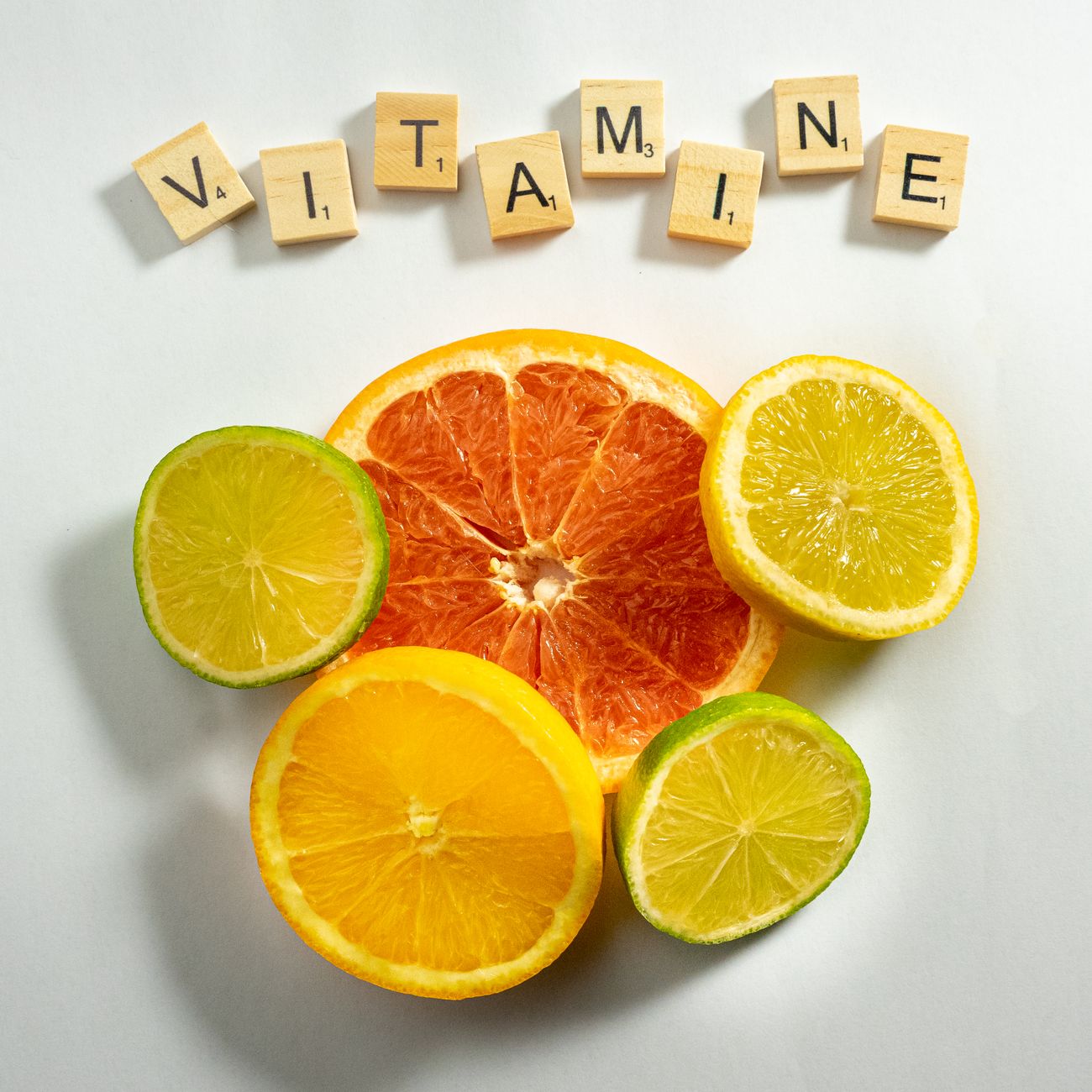
Vitamin C
Vitamin C supports collagen production and helps the body absorb iron from plant-based foods.
Good sources include:
- Citrus fruits
- Berries
- Bell peppers
- Tomatoes
- Broccoli
- Kiwi
Eating a variety of fruits and vegetables is generally a better approach than relying on a single high-dose supplement.
Vitamin A: More Isn’t Always Better
Vitamin A is essential for normal body functions, including skin health.
However, excessive vitamin A—particularly from high-dose supplements—can contribute to hair loss.
This is a good example of why “more vitamins” doesn’t automatically mean healthier hair.
A balanced diet is generally preferable to taking multiple high-dose supplements without professional guidance.
Omega-3 Fatty Acids
Omega-3 fatty acids are important components of a balanced diet.
Sources include:
- Fatty fish
- Chia seeds
- Flaxseeds
- Walnuts
While omega-3s are often promoted for hair growth, evidence for supplements specifically preventing or reversing hair loss remains limited.
Including healthy fat sources as part of a balanced diet is still beneficial for overall nutrition.
Don’t Forget Hydration
Water isn’t a vitamin or mineral, but adequate hydration supports normal body functions.
Severe dehydration can affect how you feel and may contribute to dry-feeling skin and hair.
However, drinking excessive amounts of water won’t directly make hair follicles grow faster.
Aim for regular fluid intake based on your individual needs, activity level, climate, and healthcare guidance.
Should You Take Hair-Growth Supplements?
Hair supplements are widely marketed with promises of thicker, longer, stronger hair.
The reality is more complicated.
If you have a documented nutritional deficiency, correcting it may help address hair problems associated with that deficiency.
If you aren’t deficient, taking additional nutrients may not provide the same benefit—and some supplements can cause problems when taken in excessive amounts.
Before starting a high-dose supplement, speak with a healthcare professional.
A Balanced Diet Is Better Than a Single “Hair Vitamin”
There isn’t one magic nutrient responsible for healthy hair.
Instead, focus on dietary variety.
A balanced eating pattern can include:
Protein + vegetables + fruits + whole grains + healthy fats + adequate fluids
This provides a broad range of nutrients while supporting overall health.
Nutrition Can’t Explain Every Type of Hair Loss
If you’re experiencing noticeable hair loss, don’t automatically assume that you need more vitamins.
Hair shedding can be influenced by:
- Genetics
- Hormonal changes
- Stress
- Illness
- Medications
- Thyroid disorders
- Autoimmune conditions
- Nutritional deficiencies
- Scalp conditions
- Other medical factors
A dermatologist or qualified healthcare professional can help determine the possible cause.
Signs That Your Hair May Need Professional Attention
Consider seeking medical advice if you experience:
- Sudden or excessive shedding
- Bald patches
- Rapid thinning
- A widening part
- Receding areas
- Changes in scalp health
- Hair loss accompanied by other symptoms
Early evaluation can be helpful because different causes of hair loss require different approaches.
Salon Care Still Matters
Nutrition supports the health of your body and hair follicles, but your daily hair-care routine also affects the appearance and condition of the hair fiber.
Professional services such as conditioning treatments, appropriate haircuts, color maintenance, and personalized product recommendations can help your hair look and feel healthier.
At Just For Hair / OP Hair Salon, our stylists can help you build a hair-care routine around your hair texture, density, condition, and styling goals.
Visit Just For Hair in Overland Park
Looking for professional hair care in Overland Park, Kansas?
Just For Hair / OP Hair Salon
1170 W 135th St
Overland Park, KS 66221
United States
Learn more about professional hair services at ophairsalon.com.
Strong-looking hair isn’t built from one miracle vitamin. A balanced diet, adequate nutrition, gentle hair care, and professional guidance when needed all contribute to maintaining healthy-looking hair.
Leave a Reply