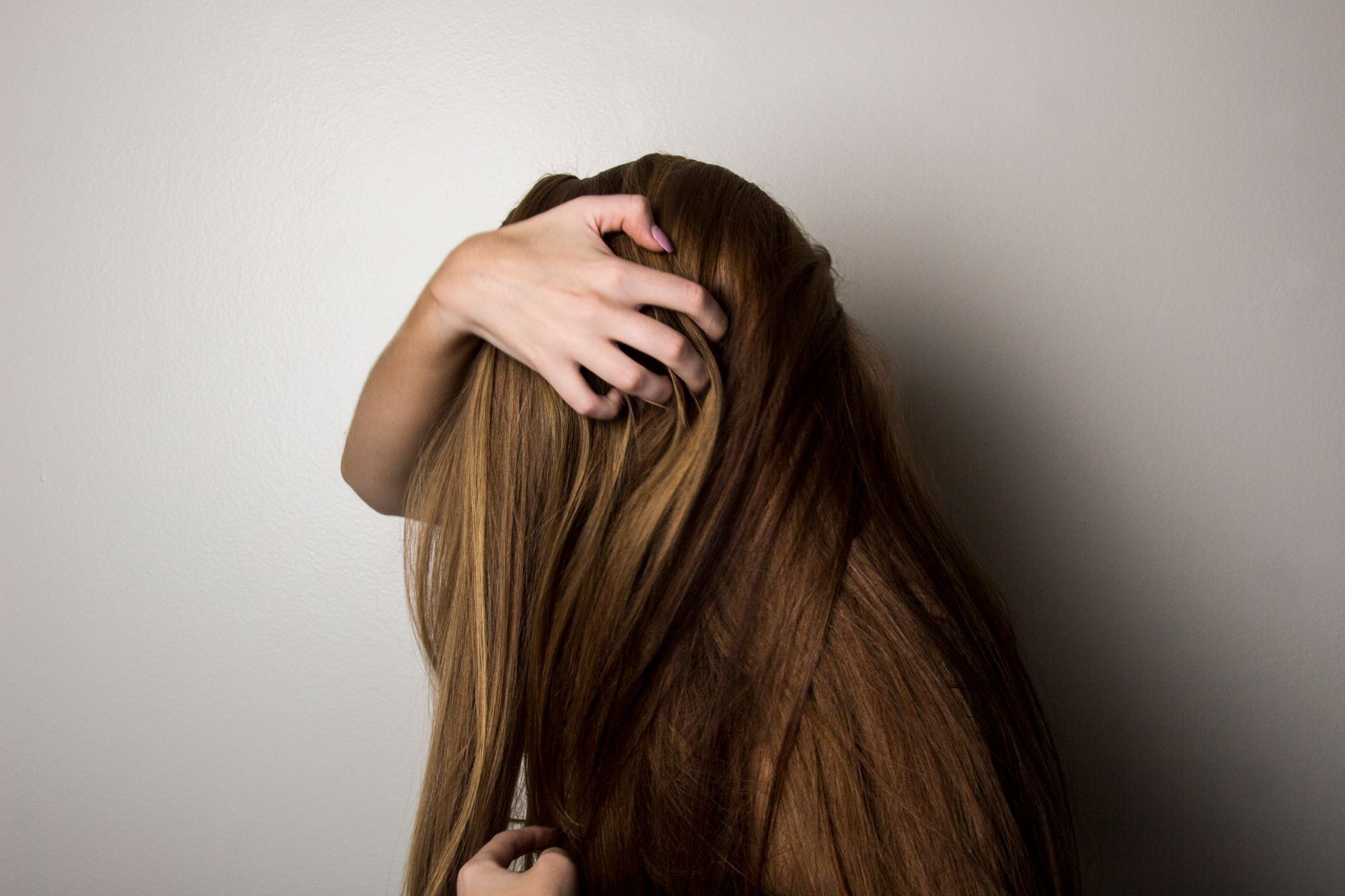
Hair extensions and wigs can transform your look, add length and volume, and make everyday styling more convenient. However, wearing added hair also means your scalp needs thoughtful care. Proper maintenance can help reduce unnecessary tension, buildup, and irritation while keeping your natural hair comfortable.
At Just For Hair, also known as OP Hair Salon, located at 1170 W 135th St, Overland Park, KS 66221, United States, we believe beautiful results should go hand in hand with responsible hair and scalp care.
Why Scalp Care Matters With Extensions and Wigs
Extensions and wigs can create an additional layer between your scalp and the environment. Depending on the attachment method, hairstyle, and length of wear, they can also make cleansing and drying more challenging.
Sweat, natural oils, styling products, and environmental debris may accumulate if your scalp isn’t cleaned appropriately.
Extensions and wig systems can also place mechanical tension on the natural hair if they are installed or worn improperly.
A thoughtful maintenance routine can help protect your natural hair and keep your scalp feeling comfortable.
Choose the Right Installation Method
Not every extension method works equally well for every person.
Your stylist should consider:
- Natural hair density
- Hair texture
- Existing damage
- Scalp sensitivity
- Desired length and volume
- Lifestyle and activity level
- How long you plan to wear the extensions
A professional consultation before installation can help determine whether a particular extension method is appropriate for your hair.
Avoid Excessive Tension
One of the most important factors in extension and wig care is avoiding unnecessary tension.
Extensions that are too heavy or attached too tightly may place stress on the natural hair. Tight braids, ponytails, wig straps, adhesive systems, or repeated pulling can also contribute to mechanical stress.
If you experience persistent soreness, pulling, headaches, tenderness, or discomfort after installation, don’t simply try to tolerate it. Contact your stylist and have the installation assessed.
Keep Your Scalp Clean
Wearing extensions or wigs doesn’t mean you should neglect scalp cleansing.
Your washing routine will depend on the type of extensions or wig system you’re wearing and the manufacturer’s or stylist’s care instructions.
When cleansing:
- Use a product appropriate for your scalp and extension or wig system.
- Work gently rather than aggressively scrubbing.
- Pay attention to the scalp and areas around the attachment points.
- Rinse thoroughly.
- Make sure the scalp and hair dry properly.
If you have a specific extension method, follow the maintenance instructions provided by your professional stylist.
Don’t Let Product Buildup Accumulate
Styling products can be useful for creating your desired look, but excessive use may contribute to buildup.
Dry shampoo, gels, oils, edge products, sprays, and creams can accumulate around the scalp and extension attachment areas.
If your scalp begins to feel coated, greasy, itchy, or uncomfortable, review your product routine and cleansing schedule.
Using fewer products doesn’t necessarily mean giving up your style. It can simply mean using them more strategically.
Keep Your Scalp Dry After Washing
Moisture trapped underneath a wig or around extension attachment areas can make the scalp feel uncomfortable.
After washing, allow your hair and scalp to dry thoroughly according to your stylist’s instructions.
Depending on your extension or wig system, your stylist may recommend air-drying or using a blow dryer at an appropriate temperature.
Avoid excessive heat directly on the scalp or attachment points.
Take Care With Wig Hygiene
Wigs should also be maintained according to their construction and care instructions.
If you wear wigs regularly, clean them as recommended and allow them to dry completely before wearing them again.
For removable wigs, giving your scalp appropriate breaks can make cleansing and scalp care easier.
If you wear a wig continuously or use a bonded system, speak with your stylist about the appropriate maintenance schedule.
Pay Attention to Sweat
Exercise and hot weather can increase sweating underneath wigs and around extension attachment areas.
If you exercise frequently, your scalp-care routine may need to accommodate additional sweat.
After a particularly sweaty workout, follow the cleansing or refreshing routine appropriate for your extension or wig system.
Don’t repeatedly cover a heavily sweaty scalp with additional styling products without appropriate cleansing.
Protect Your Natural Hair at Night
Your nighttime routine can also influence the condition of your extensions and natural hair.
Depending on your hairstyle and extension method, your stylist may recommend loosely securing your hair before bed or using a suitable sleep accessory to reduce friction.
Avoid sleeping in styles that create unnecessary pulling or tension around the hairline.
Avoid Aggressive Scratching
If your scalp feels itchy underneath extensions or a wig, scratching can damage the skin and disturb the hair or attachment system.
Instead, determine why your scalp is uncomfortable.
Possible factors include:
- Product buildup
- Sweat
- Dryness
- Tight installation
- Product sensitivity
- An underlying scalp condition
If itching persists, contact your stylist and consider consulting a dermatologist or healthcare professional.
Know When to Remove or Adjust Your Extensions
Extensions aren’t designed to stay in indefinitely.
Regular maintenance and timely removal or adjustment are important for protecting your natural hair.
The appropriate schedule depends on the extension method, your natural hair growth, and the manufacturer’s or stylist’s recommendations.
Waiting too long between maintenance appointments can increase tangling, matting, tension, or difficulty cleansing the natural hair.
Scalp Symptoms Shouldn’t Be Ignored
A little adjustment may be all that’s needed when your scalp feels uncomfortable after an installation. However, persistent symptoms deserve attention.
Seek professional medical advice if you experience:
- Persistent itching
- Significant redness
- Swelling
- Pain
- Open sores
- Bleeding
- Unusual scaling
- Signs of infection
- Significant hair shedding or thinning
A dermatologist can evaluate scalp symptoms and determine whether there is an underlying medical issue.
Extensions and Wigs Can Be Part of a Healthy Hair Routine
Hair extensions and wigs don’t automatically mean unhealthy hair or scalp. With proper installation, maintenance, cleansing, and professional guidance, they can be incorporated into a thoughtful styling routine.
The key is to treat your natural hair and scalp as carefully as you treat the finished style.
At Just For Hair / OP Hair Salon, our stylists can help you understand the maintenance requirements of your chosen look and provide guidance on keeping your natural hair manageable between appointments.
Create a Scalp-Friendly Extension or Wig Routine
A simple approach can help:
Professional installation → Appropriate cleansing → Gentle handling → Proper drying → Regular maintenance → Monitor scalp comfort
If something feels too tight, painful, or irritating, speak up. Your comfort is an important part of a successful hair service.
Visit Just For Hair in Overland Park
Looking for professional hair extensions, styling, or personalized hair-care guidance in Overland Park, Kansas?
Visit:
Just For Hair / OP Hair Salon
1170 W 135th St
Overland Park, KS 66221
United States
Learn more about our professional hair services at ophairsalon.com.
Beautiful extensions and wigs start with healthy habits underneath. Give your natural hair and scalp the attention they deserve while enjoying your favorite look.
Leave a Reply